Preschool Nutrition at Imagine Early Education & Childcare

At Imagine Early Education & Childcare, we know what children eat during their earliest years shapes how they grow, learn, and feel each day. Good nutrition during early childhood supports brain development, healthy growth, and lifelong wellness. Every menu we serve is designed with preschool-aged children in mind, and every meal reflects our commitment to keeping little ones nourished and happy.

Families across Texas, Colorado, and Oklahoma trust our childcare centers because we treat food as part of the whole learning experience. Mealtimes at Imagine are calm, social, and full of gentle nutrition education that helps children build healthy eating habits they can carry through the school year and beyond.
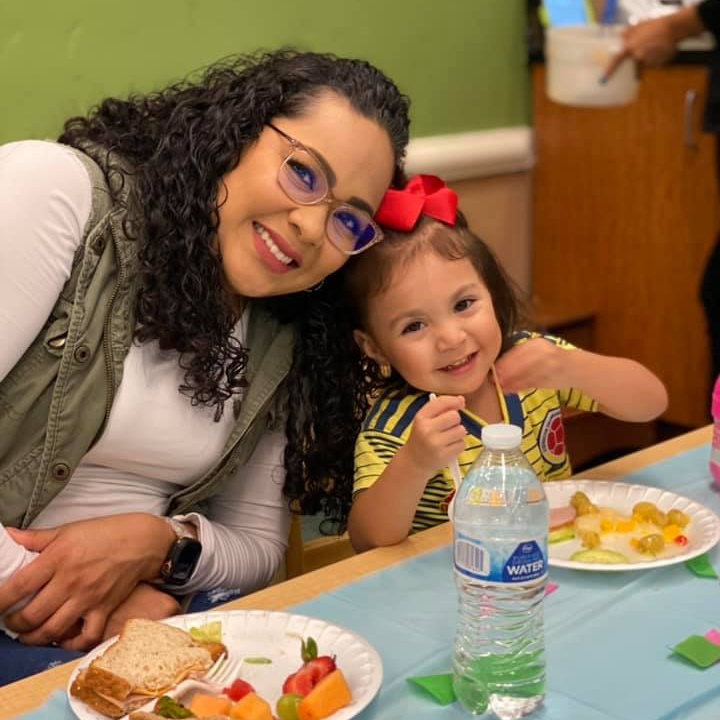
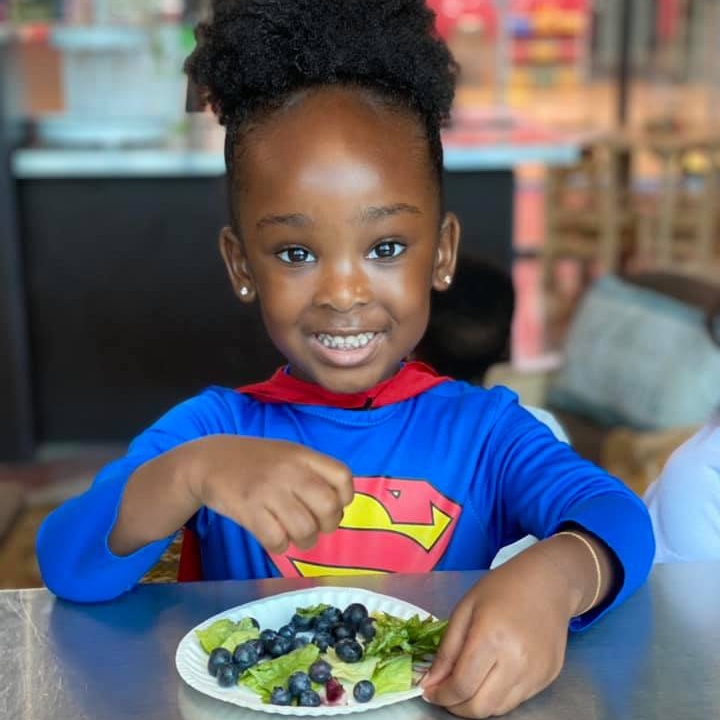
Nutritious and Delicious Meals

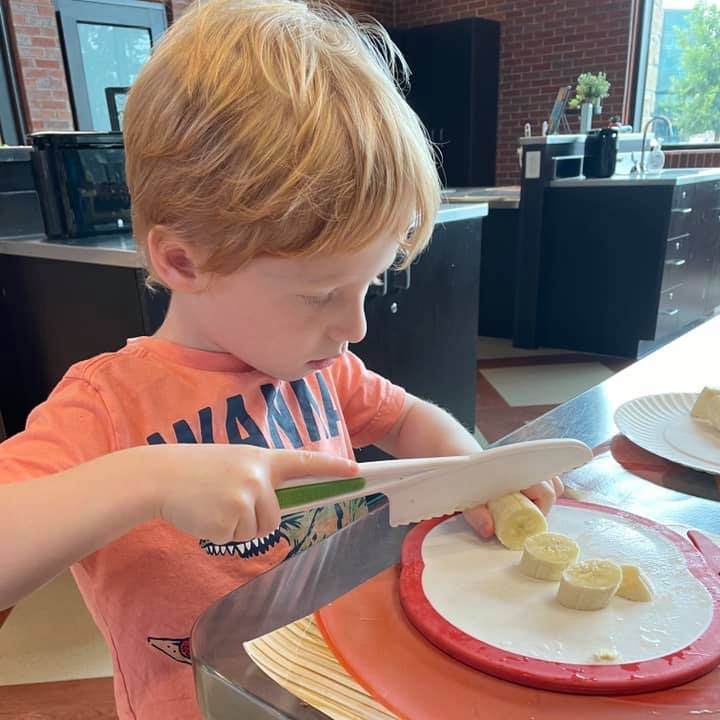
Every Imagine center serves fresh, healthy meals prepared each day by our qualified onsite chefs. Our kitchens use seasonal ingredients and local produce whenever possible, giving preschool children the taste, texture, and color variety they need to enjoy food and try new things.

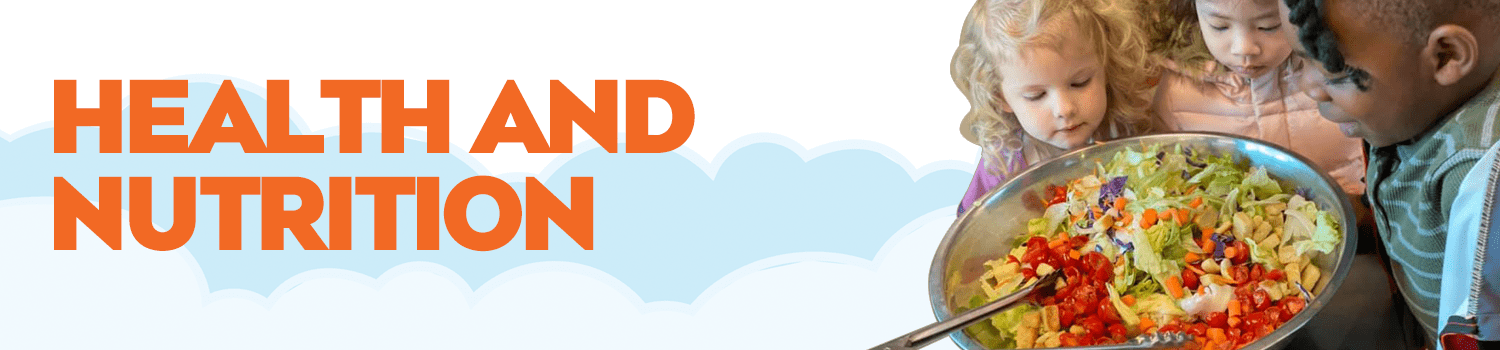
Each menu covers more than half of a child’s daily nutrition needs. Our chefs plan around what young children actually enjoy and can eat comfortably at their age. We include a variety of foods at every meal, with fresh fruits, colorful vegetables, whole grains, and lean proteins that support healthy growth and steady energy through the day.

Snacks matter just as much as meals. Every snack we serve bridges the gap between mealtimes and keeps preschool-age children focused on play and learning. Our preschool meal pattern follows the dietary guidelines recommended for early childhood, so parents can feel confident that their child is eating a well-balanced meal every time.

What if my child has special dietary requirements?

Every family is different, and every child deserves food that fits their needs. Some children have allergies, food intolerances, or dietary restrictions tied to religion or family preferences. We work directly with families during enrollment to understand each child’s needs and adjust our menus accordingly. Our teams keep detailed notes and communicate openly with kitchen staff, so no child is ever left out at mealtime. Learn more about our approach to safety and wellness on our Health and Safety page.

Building Healthy Eating Habits Early

The habits children form before kindergarten shape their choices for years to come. Healthy eating patterns established in early childhood can reduce the risk of childhood obesity and chronic disease later in life. We take that responsibility seriously.

Our approach to child nutrition rests on a few simple ideas that guide every meal and snack we serve:

  • We invite children into age-appropriate conversations about food, colors, and where their meals come from.
  • We treat mealtimes as social occasions where children can enjoy their food in a warm, unhurried setting.
  • We build lasting healthy habits by offering fruit at snack, water with meals, and vegetables at lunch, which teaches children to reach for nutritious food on their own.

Promoting Health and Nutrition Every Day

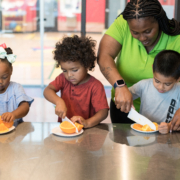
Our Educators shape the tone of every mealtime. They model healthy choices, join children at the table, and turn ordinary lunches into moments of connection. Some of the ways they support preschool nutrition in the classroom include:

  • Educators invite children to help create healthy menus by picking weekly themes and sharing favorite foods from home.
  • Children get to try dishes and mealtime traditions from different cultures throughout the year.
  • Staff talk about nutritious meals and healthy choices during meals, making nutrition education part of everyday conversation.
  • Educators eat alongside the children, modeling healthy eating and making meals feel like a shared experience.
  • Every mealtime is a social occasion where children and staff sit together, talk, and enjoy the food.

Movement is part of the picture too. Physical activity and active play support the same goals as good food. Our daily schedule includes plenty of time for outdoor play, indoor movement games, and structured activities that get children up and moving. Together, healthy food and daily movement help each child build a healthy lifestyle from the very beginning.

Serving Families in Texas, Colorado, and Oklahoma

Our centers across Texas, Colorado, and Oklahoma each reflect the communities they serve. Local produce, regional flavors, and family feedback all shape what shows up on our menus. Parents know that when they drop their children off in the morning, meals are one less thing to worry about.

We care about the children in our centers the way we would care about our own. Every menu, snack, and mealtime routine reflects our belief that early childhood education and good food belong together. That belief guides how we hire chefs, how we train educators, and how we shape the daily experience for every child in our child care programs.

Frequently Asked Questions

Preschool nutrition refers to the food choices and eating habits that support children between ages two and five. At this stage, kids need nutritious meals rich in fruits, vegetables, whole grains, dairy, and lean proteins. Good nutrition during these years supports brain development, physical growth, and the healthy eating habits children carry into elementary school.

Most childcare centers in the United States follow nutrition standards set by the USDA through the Child and Adult Care Food Program (CACFP). These meal pattern requirements guide portion sizes, food groups, and daily nutrient targets for preschool-aged children. Imagine’s menus meet or exceed these guidelines. Our chefs and educators review them regularly to keep pace with the latest best practices in child nutrition.

Our teams work closely with each family to accommodate allergies, food intolerances, and dietary restrictions. During enrollment, we gather details about your child’s needs and create a personalized plan. Kitchen staff and educators receive clear notes so that every meal your child eats is safe and appropriate for them.

Parents play the biggest role in shaping their child’s relationship with food. Offer a variety of foods at each meal, eat together as a family when possible, and model healthy eating yourself. Small daily choices, like keeping fresh fruit within reach or serving water instead of juice, help children build eating habits that support healthy growth and better focus at school.

Yes. Low-income families can access help through several federal school nutrition programs, including the National School Lunch Program, the School Breakfast Program, and the Afterschool Snack Program. Families can also ask their local school district or WIC office for technical assistance in finding the right nutrition service for their child. Our enrollment team is happy to point families toward local resources as well.